
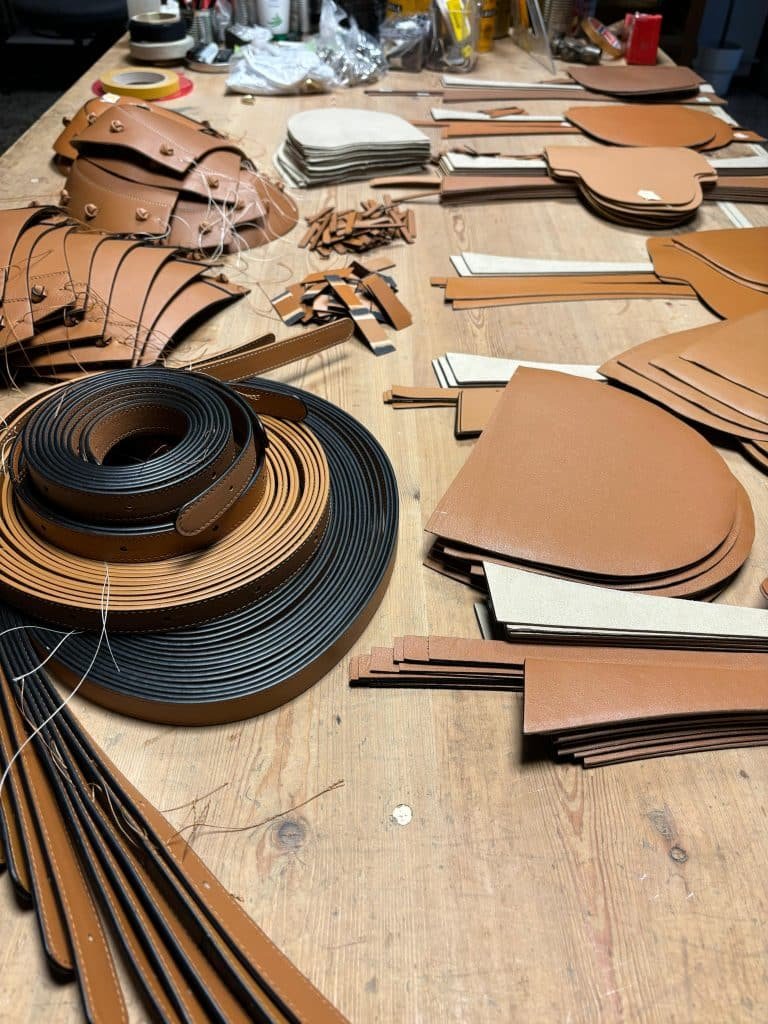
Leather goods are an age-old craft that has evolved over time, becoming a benchmark for quality, luxury and exclusivity. From the earliest work with leather to today’s most sophisticated designs, artisanal leather goods remain a symbol of distinction. But what are leather goods? Where does the term come from, and why is it still so relevant in fashion and accessories? In this article, we explore the history, the artisanal process and the value of leather goods bags, essential pieces in any collection.
What are leather goods?
The term leather goods refers to the manufacture of leather items, especially accessories such as bags, wallets, belts and other accessories. This craft has been passed down from generation to generation, preserving traditional techniques that ensure the durability and beauty of each piece.
But where does the word leather goods come from? The origin of this term is linked to Morocco, a country renowned for its long-standing tradition of leatherworking. For centuries, Moroccan tanners perfected techniques for treating hides and producing exceptionally high-quality materials, which led to the term leather goods being used to describe products made from this material.
Today, it continues to stand out for its meticulous manufacturing process, in which each piece is created with attention to detail, using selected materials and traditional techniques.
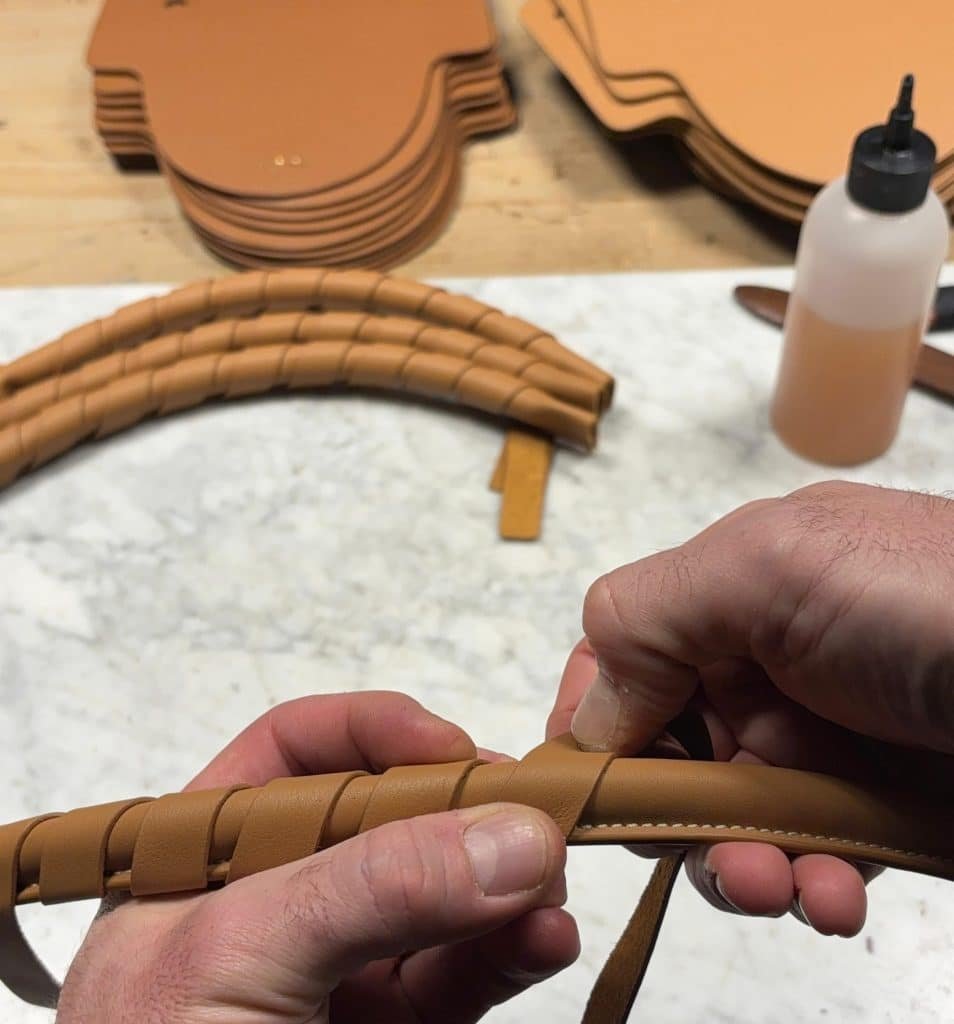
Artisanal leather goods: the art of working leather
Artisanal leather goods are one of the purest forms of this craft. Unlike mass industrial production, each piece is handmade by expert artisans who master time-honoured techniques. This process ensures that leather goods bags are not only fashion items, but true works of art with a story behind them.
The manufacturing process for a genuine leather bag includes several key stages:
- Material selection: High-quality leathers are chosen, ensuring strength and beauty.
- Cutting and design: Patterns are drawn and cut with precision to make the most of the material.
- Stitching and assembly: In artisanal leather goods, this step is done by hand, ensuring impeccable finishes.
- Finishing and details: Dyes, varnishes and other treatments are applied to enhance the bag’s texture and colour.
Thanks to this dedication, artisanal leather goods bags stand out for their durability, exclusivity and sophistication, becoming timeless pieces that never go out of style.
Elegance and functionality
Leather bags are among the most representative products of leather goods. Their combination of design, functionality and durability makes them a sound investment for those seeking a long-lasting, versatile accessory.
Within the range of leather goods bags, you can find a wide variety of styles:
- Leather bags with handles: Ideal for everyday use, offering comfort and a sophisticated touch.
- Handleless bags: Perfect for special events, where minimalist design makes all the difference.
- Handmade genuine leather bags: Exclusive pieces that reflect the mastery of craftsmanship.
Artisanal leather goods bags stand out not only for their beauty, but also for their sustainable impact. Choosing handmade products is a way to support artisans’ work and reduce the environmental impact of mass production.
Leather goods in the 21st century: Innovation and sustainability
The industry has evolved over time, adapting to new demands and trends. Today, many brands are incorporating sustainable practices into the manufacture of genuine leather bags, using more responsible processes and eco-friendly materials.
Some innovations in artisanal leather goods include:
- Use of vegetable-tanned leather, free from harmful chemicals.
- Ethical production using recycled and biodegradable materials.
- Timeless design that promotes responsible, long-lasting consumption.
Choosing a high-quality leather goods bag means investing in a piece that will stand the test of time, combining elegance, functionality and environmental awareness.
Conclusion
Leather goods remain a fundamental pillar in the world of fashion and accessories. From their origins in Morocco to their establishment as a global craft, this trade has remained relevant thanks to its commitment to quality and craftsmanship.
Artisanal leather goods bags represent the perfect union of tradition and innovation, offering unique pieces that stand out for their exclusivity and sophistication. Whether in a bag, a wallet or any other leather accessory, luxury lies in the details and in work done properly.